
Tiny Circles, Big Voices
Pinbacks: a Counterculture Staple
From a distance, pin-back buttons look like simple accessories—small circles of metal and paper fastened to a jacket or backpack. Throughout the mid-20th century, particularly during the anti-Vietnam War and Civil Rights Movements, they emerged as powerful tools of counterculture and protest.
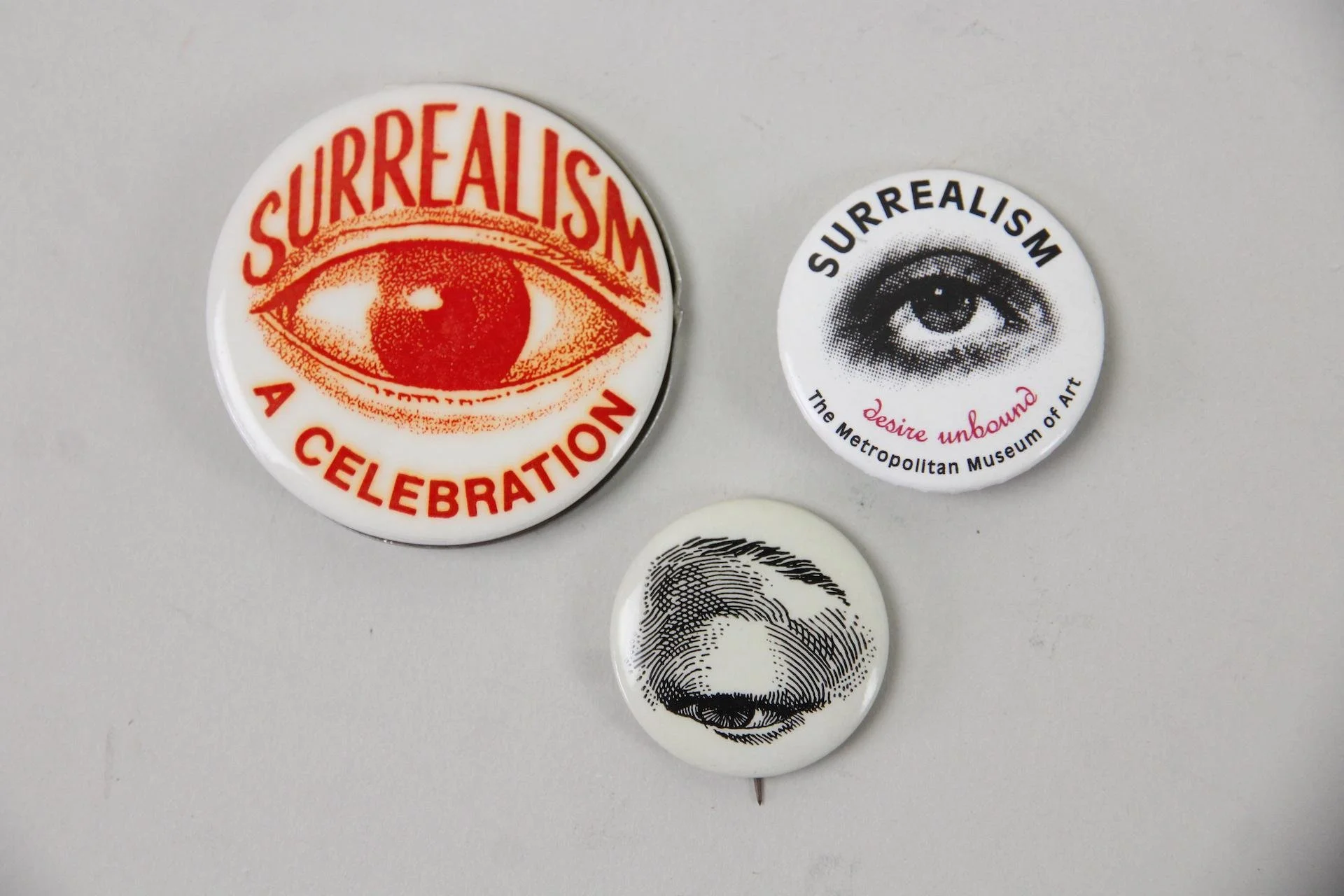
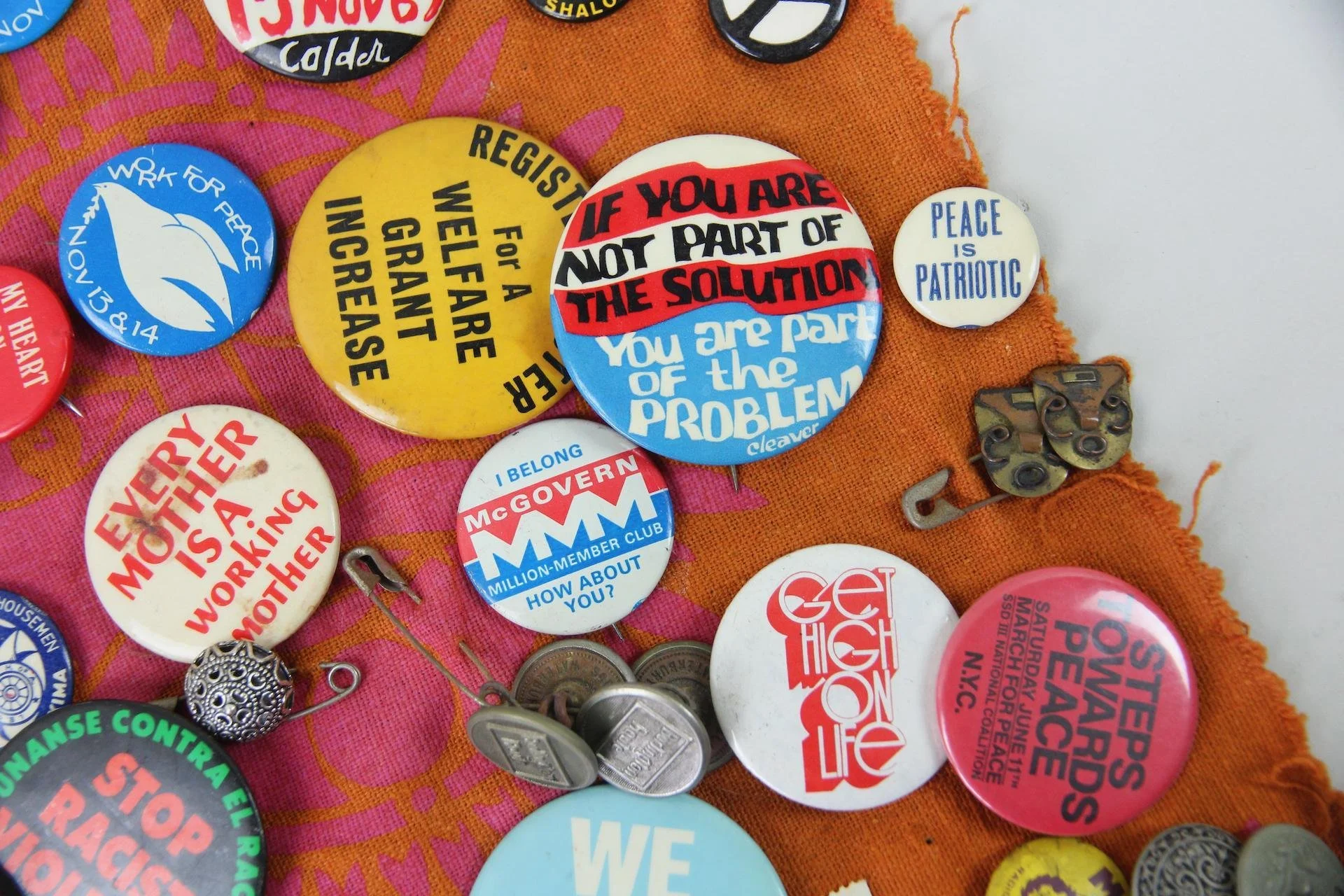
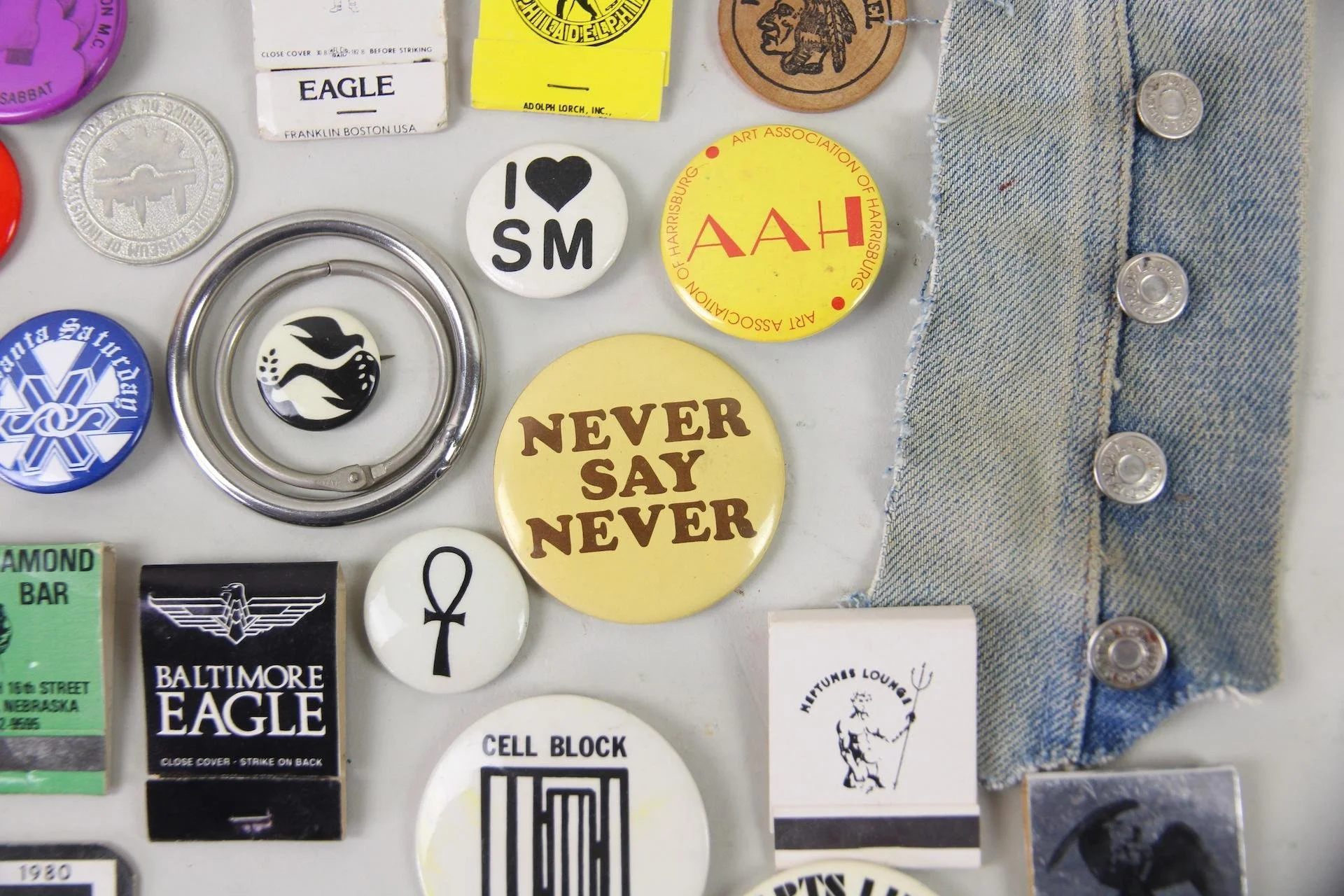
While they began as cheap advertising giveaways in the early 1900s, 1960s activists realized their effectiveness as portable, wearable signs. Unlike posters or banners, a button could go anywhere: classrooms, workplaces, buses, and streets. They were inexpensive to produce, easy to replicate, and small enough to wear without needing permission, making them ideal for grassroots movements.
During the Civil Rights era, buttons carried stark, simple phrases such as "I AM A MAN," "SNCC," and "Black Power." These buttons helped build solidarity and served as acts of quiet defiance. In segregated towns, wearing a single button could be both a declaration and a significant risk.
During the Vietnam War, buttons became even more widespread, featuring psychedelic peace symbols and slogans like "Make Love Not War" or "Bring the Troops Home. Worn on denim jackets and army surplus coats, these pins defined the look of the era, blending politics with personal identity.
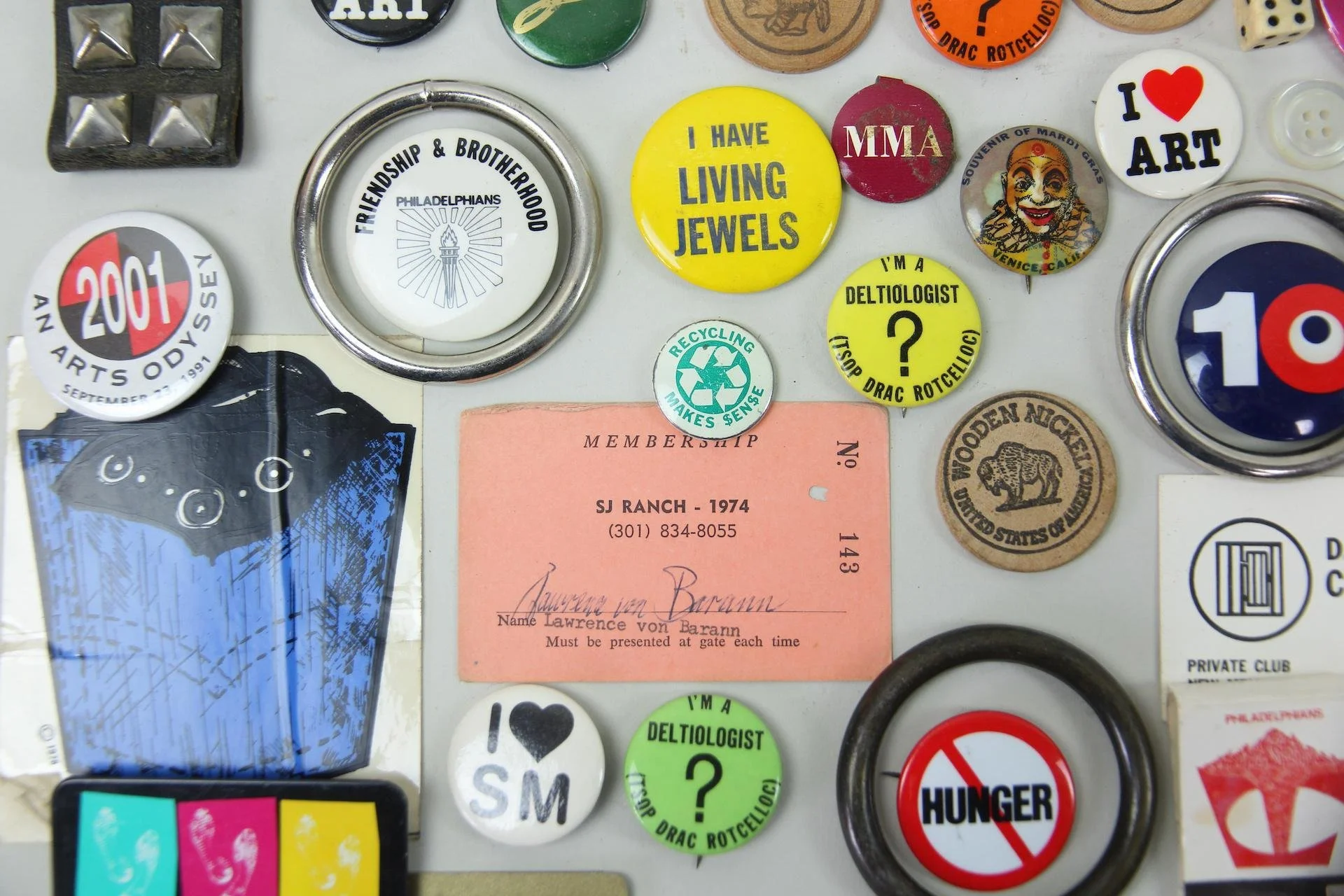
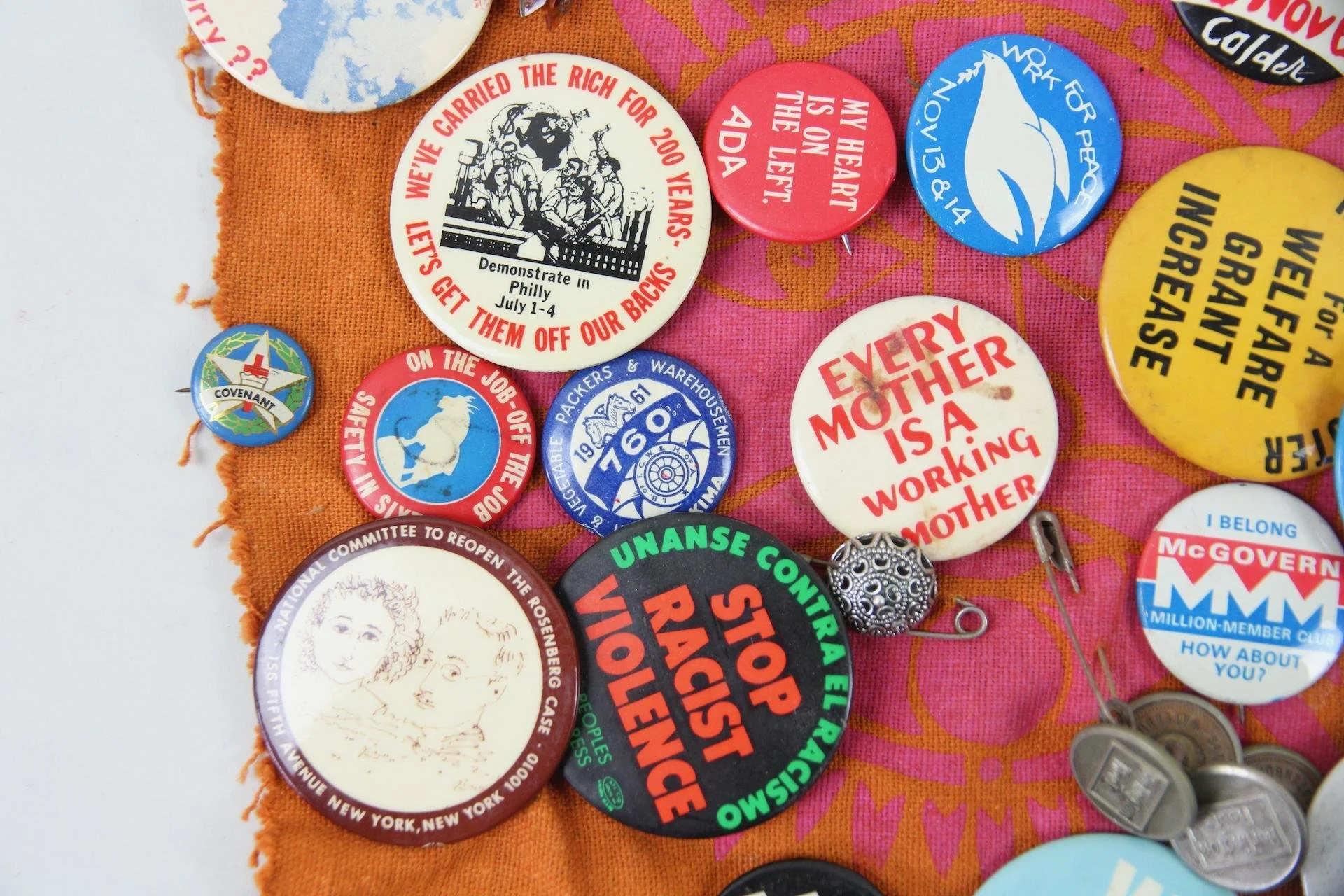
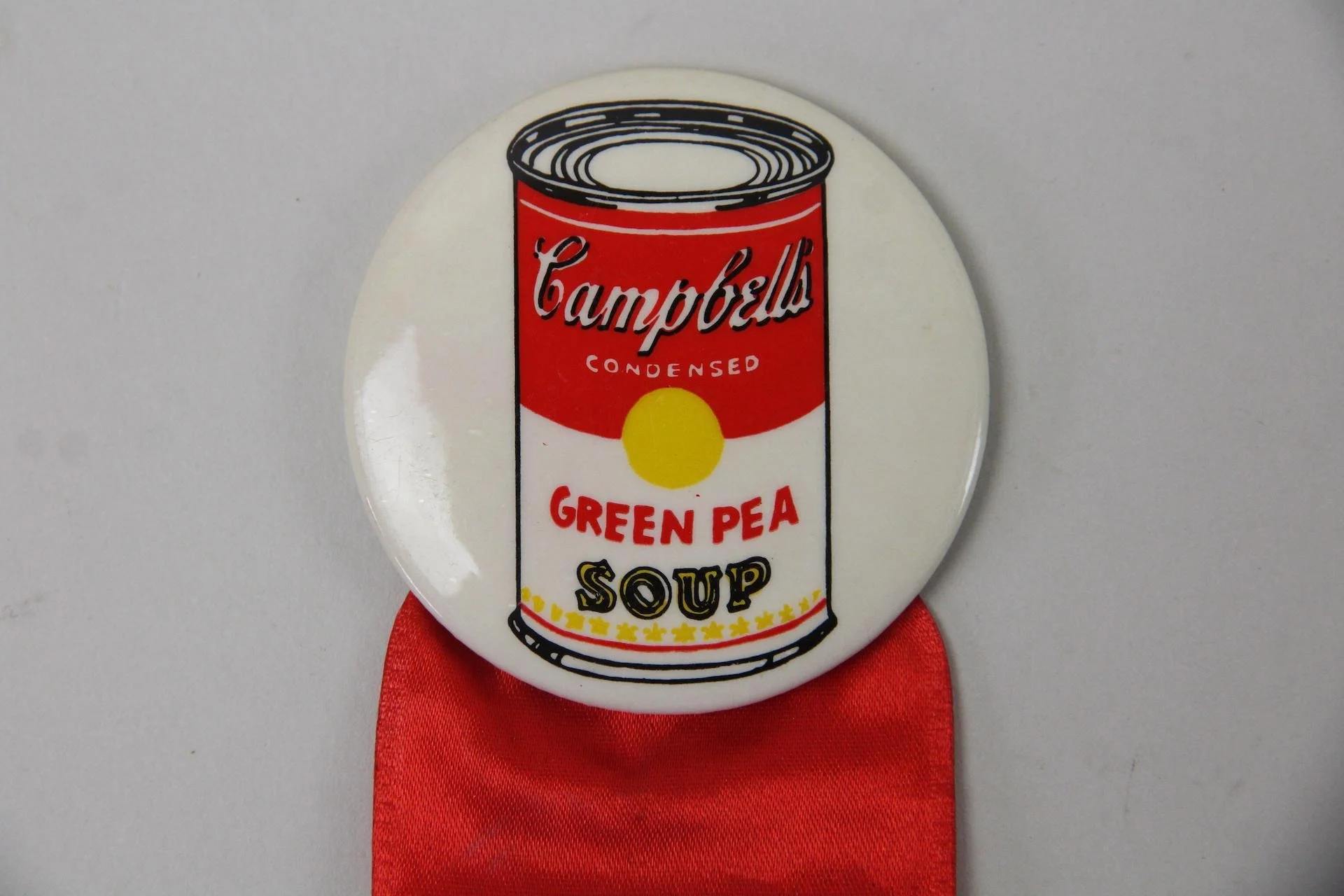
Because of their size, button designers used bold, economical elements. They used strong contrasting colors and simple, iconic imagery like the peace sign or the raised fist.
One of the most important artistic aspects of pin-back buttons is that they live on the body. A jacket covered in pins becomes a moving collage or wearable manifesto. By layering anti-war pins, band logos, feminist slogans, and liberation symbols, individuals turned getting dressed into an act of authorship. These mass-produced yet personal items blurred the line between art objects and political tools.
Today, buttons remain a staple in protests, social movements, and subcultures. Whether used in civil rights marches, LGBTQ+ pride parades, or limited-edition art projects, pin-back buttons continue to be one of the most enduring forms of visual resistance. They demonstrate how a small circle of metal can carry a lifetime of struggle, art, and hope.